Additive Masking
For Advanced Plating Applications
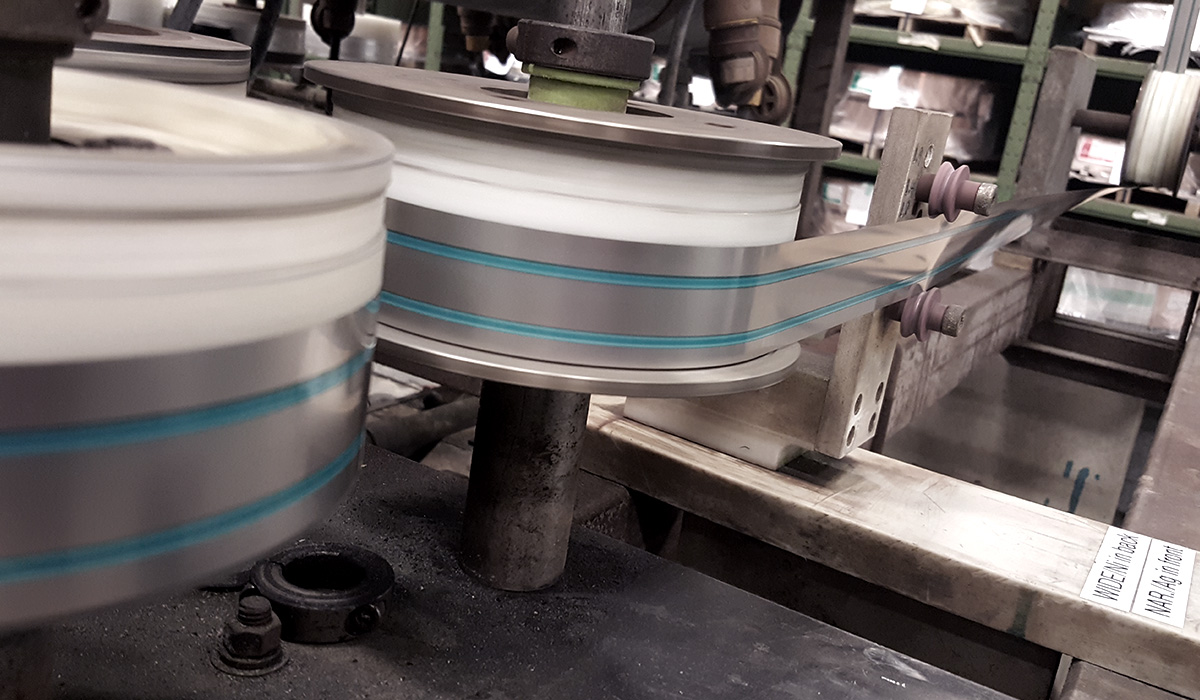

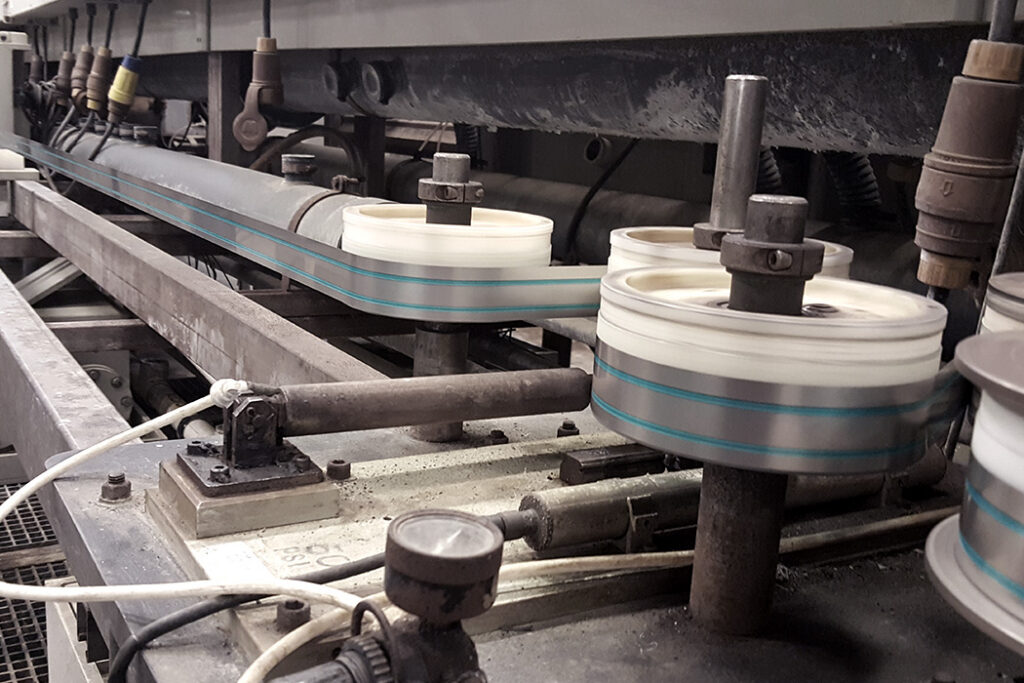
Precious Plate leads in thin, selective electroplating and additive masking — combining innovation, engineering expertise, and material science to deliver performance where precision matters most.
Precious Plate’s additive masking services are designed for manufacturers who require selective plating with high yield and superior accuracy. Our proprietary masking technology precisely controls where plating occurs, drastically reducing material waste while ensuring tight tolerance consistency across every component.

Additive masking technology serves as the foundation for our selective plating solutions. By controlling the deposition area before the plating process begins, manufacturers can reduce post-processing, conserve costly metals, and achieve enhanced part-to-part reliability.
Additive masking provides both cost-control and performance assurance — delivering measurable ROI while strengthening quality assurance metrics.
Significantly decreases gold and precious metal consumption without sacrificing performance.
Maintains plating thickness within microns across high-volume production runs.
Minimizes overspray and post-process stripping through precisely defined plating regions.
Streamlined masking and plating cycles reduce downtime and improve production efficiency.
Tailored to match each substrate geometry, application requirement, and material specification.
Every additive masking solution is engineered through a precise, tightly controlled workflow that integrates custom materials, proprietary application methods, and advanced plating chemistry. This ensures consistent, repeatable results for even the most complex surface geometries.
Engineered for adaptability, this process supports a range of metals and substrates, including copper, nickel, silver, gold, and palladium-tin coatings.
Components are cleaned and conditioned to ensure consistent adhesion of the masking material.
The proprietary additive mask is selectively deposited onto specified non-plating regions using automated precision equipment.
Targeted zones receive uniform metal deposition, while masked areas remain unaffected.
The additive mask is easily stripped from the surface without residue or substrate damage.
Components undergo metrology verification to confirm plating thickness and boundary integrity within exact specifications.
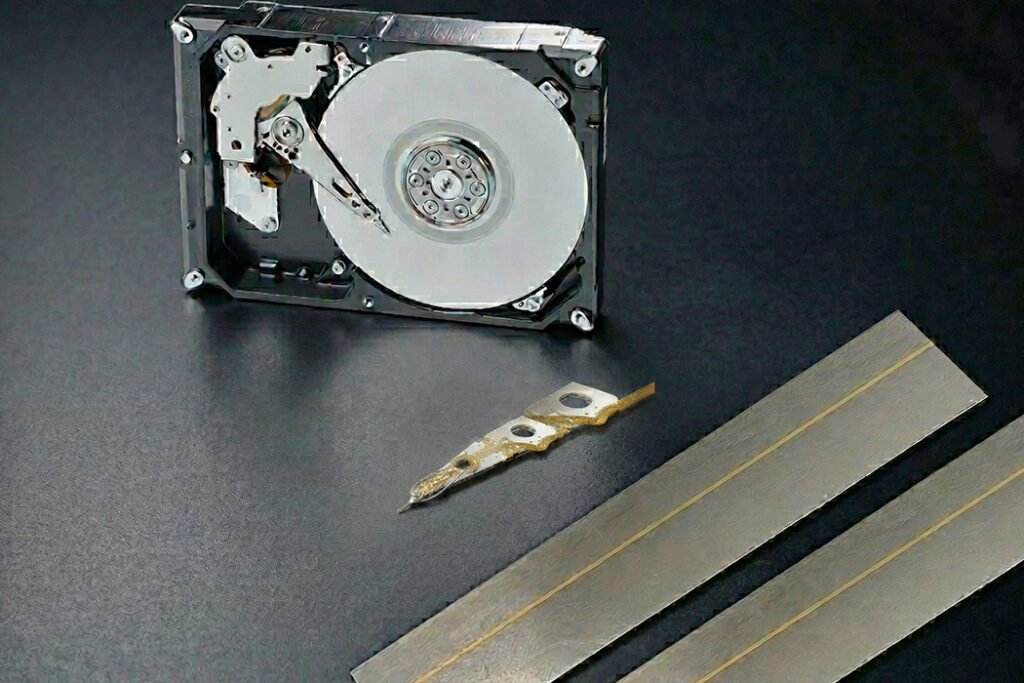
A global electronics manufacturer partnered with Precious Plate to optimize selective gold plating on high-density connector contacts. Prior to implementation, the client experienced excessive metal waste and variable plating boundaries.
After integrating additive masking, the result was an over 60% reduction in gold usage, with plating accuracy held within a micron tolerance. Production cycle time decreased by 15%, and rework rates dropped to near zero.
Our customers often have technical and operational questions before engaging a new plating technology. These answers provide insight into how additive masking integrates with existing workflows while maintaining full process control.
Pricing depends on part complexity, required metal thickness, and production volume. Precious Plate provides customized quotes that reflect real resource usage and yield efficiency.
Typical development-to-production timelines range from 2–6 weeks, depending on part qualification and validation needs.
Yes. Each masking pattern is engineered specifically for the customer’s component and plating requirement.
Our additive masking processes support numerous finishes, including gold, nickel, copper, silver, palladium, and specialized alloys.
Unlike subtractive or tape-based methods, additive masking builds precision into the process — no manual trimming or secondary stripping required.
Precious Plate’s additive masking technology combines decades of selective plating expertise with modern engineering precision. Whether your goal is cost reduction, tighter tolerances, or sustainable production, our team partners with you to deliver innovative, results-driven plating solutions.